23–27 May 2027 · Rethymno, Crete

Meet the speakers

Meet the keynote and plenary speakers at WCNH2027.

Keynote speakers

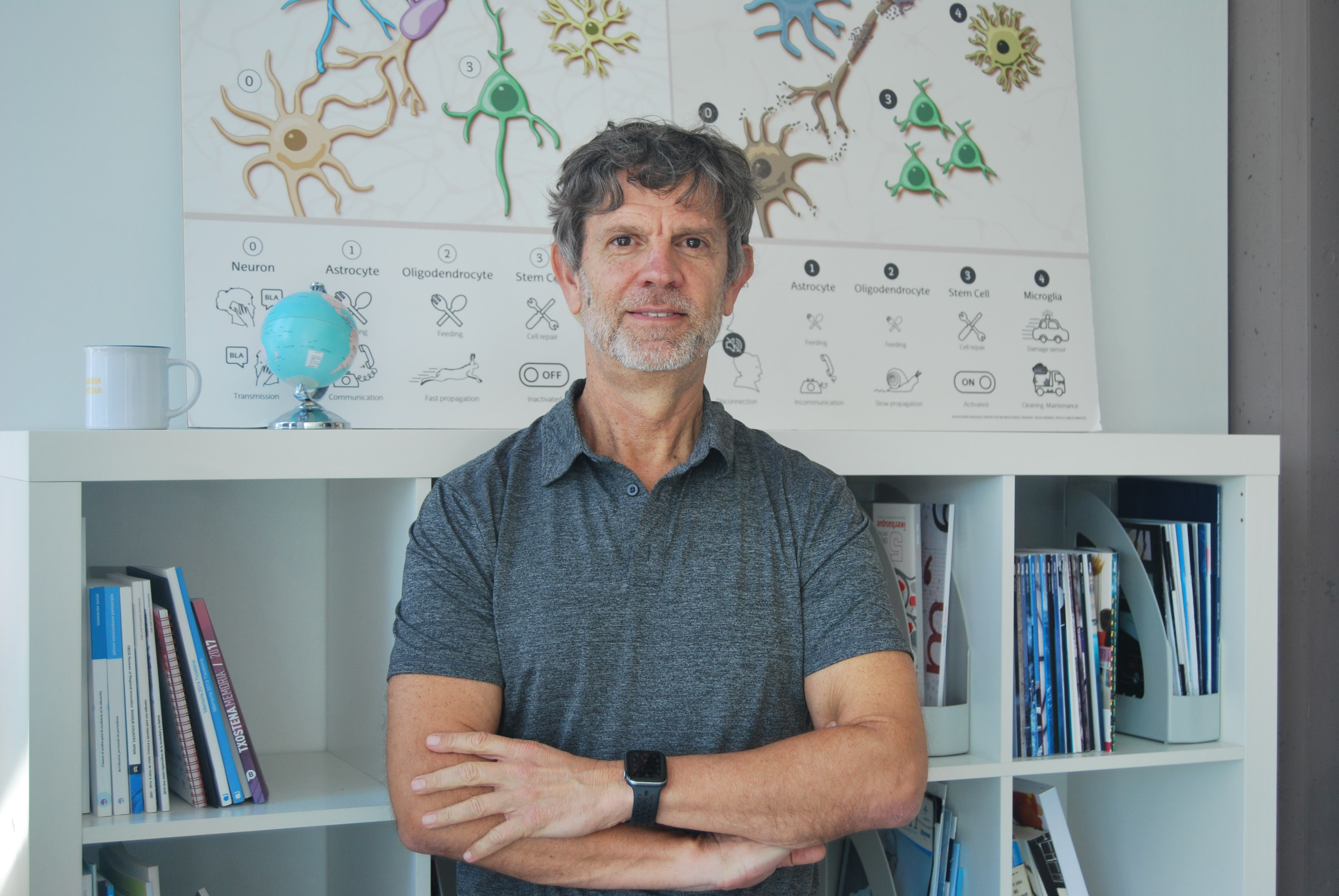
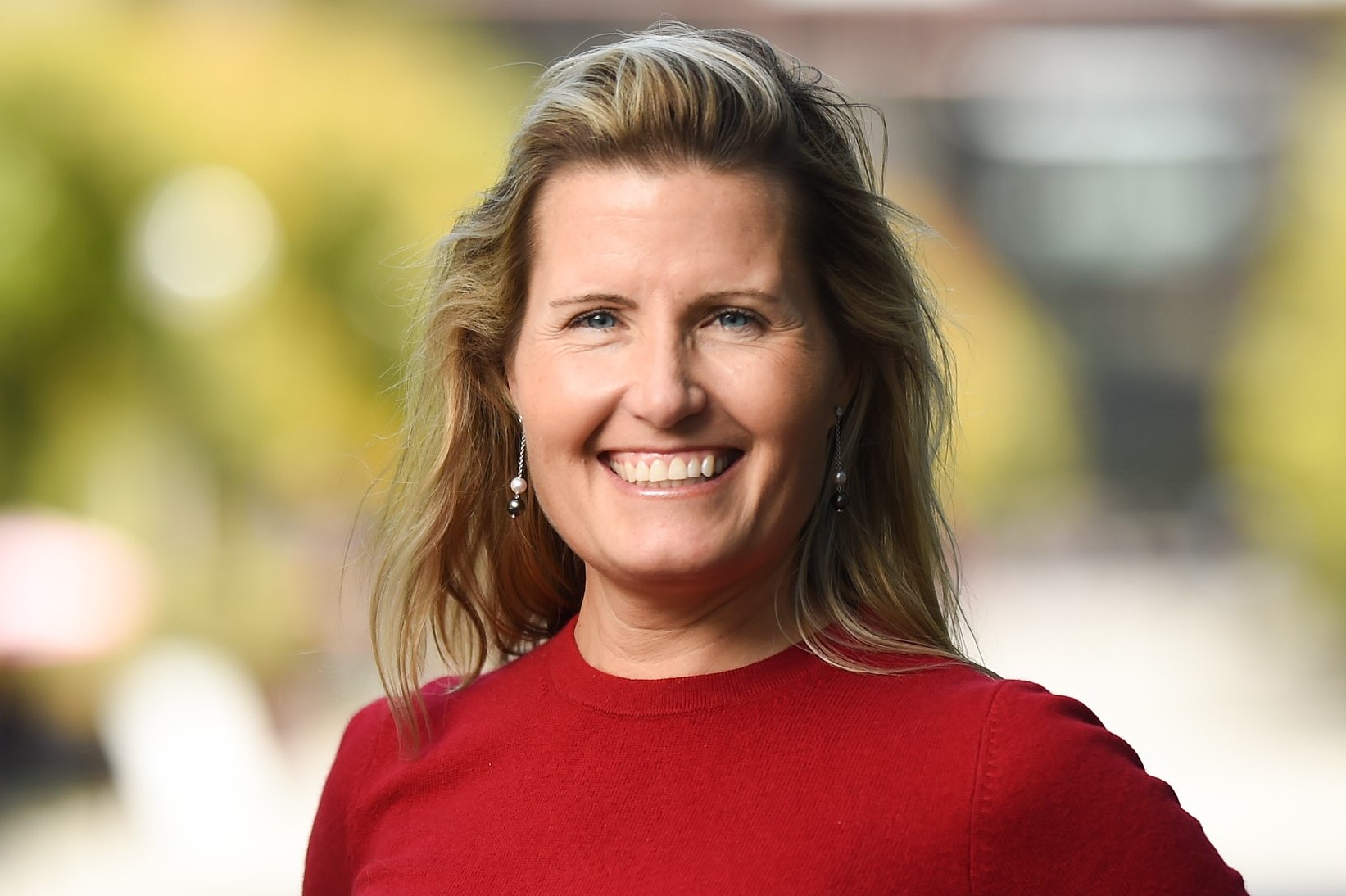
Prof. Valery Grinevich, MD PhD

Prof. Valery Grinevich, MD PhD

Full Professor, Heidelberg University
Head of Department of Neuropeptide Research in Psychiatry, Central Institute of Mental Health (CIMH/ZI), Mannheim
Head, International Joint Laboratory for Translational Research on Neuromodulation, Shenzhen Institute of Advanced Technology (SIAT) of the Chinese Academy of Sciences

Keynote lecture

The Oxytocin Subsystems in the Mammalian Brain: From Axons to Sociality

Valery Grinevich obtained his MD degree in 1992 from Kursk State Medical University (USSR/Russia), specializing in neurology and psychiatry.

Bio

Valery Grinevich obtained his MD degree in 1992 from Kursk State Medical University (USSR/Russia), specializing in neurology and psychiatry. In 1996, he defended his PhD thesis on the evolutionary and comparative neuroanatomy of the oxytocin and vasopressin systems in vertebrates at the Russian Academy of Sciences in Saint Petersburg. As a recipient of the Russian President Boris Yeltsin Award, he completed postdoctoral training with Profs. Fernand Labrie and George Pelletier in Quebec, studying hypothalamic mechanisms of the stress response, and later joined Greti Aguilera’s team at the NIH to investigate neuro-immuno-endocrine interactions. In 2001, as an Alexander von Humboldt Fellow, Valery joined Prof. Gustav Jirikowski’s group in Jena to study pathological alterations in human hypothalamic neurons. Although appointed Full Professor at Moscow State Medical University in 2003, he declined the position to pursue postdoctoral research with Prof. Peter H. Seeburg at the Max Planck Institute for Medical Research in Heidelberg, where he learned methods of molecular neurobiology and developed cell-type-specific viral tagging of hypothalamic neurons. Valery established his own research group there in 2008. In 2012, he became the Leader of the Independent Neuropeptides Group at the German Cancer Research Center (DKFZ) and the Heidelberg University. Since 2019, he has been Full Professor (W3) at the Heidelberg University and Head of the Department of Neuropeptide Research in Psychiatry at the Central Institute of Mental Health (CIMH/ZI) in Mannheim. Since 2025 Valery heads the International Joint Laboratory for Translational Research on Neuromodulation of the Shenzhen Institute of Advanced Technology (SIAT) of the Chinese Academy of Sciences. Valery has published a number of seminal papers and has received several awards and grants, including an ERC Synergy Grant, which he currently coordinates.
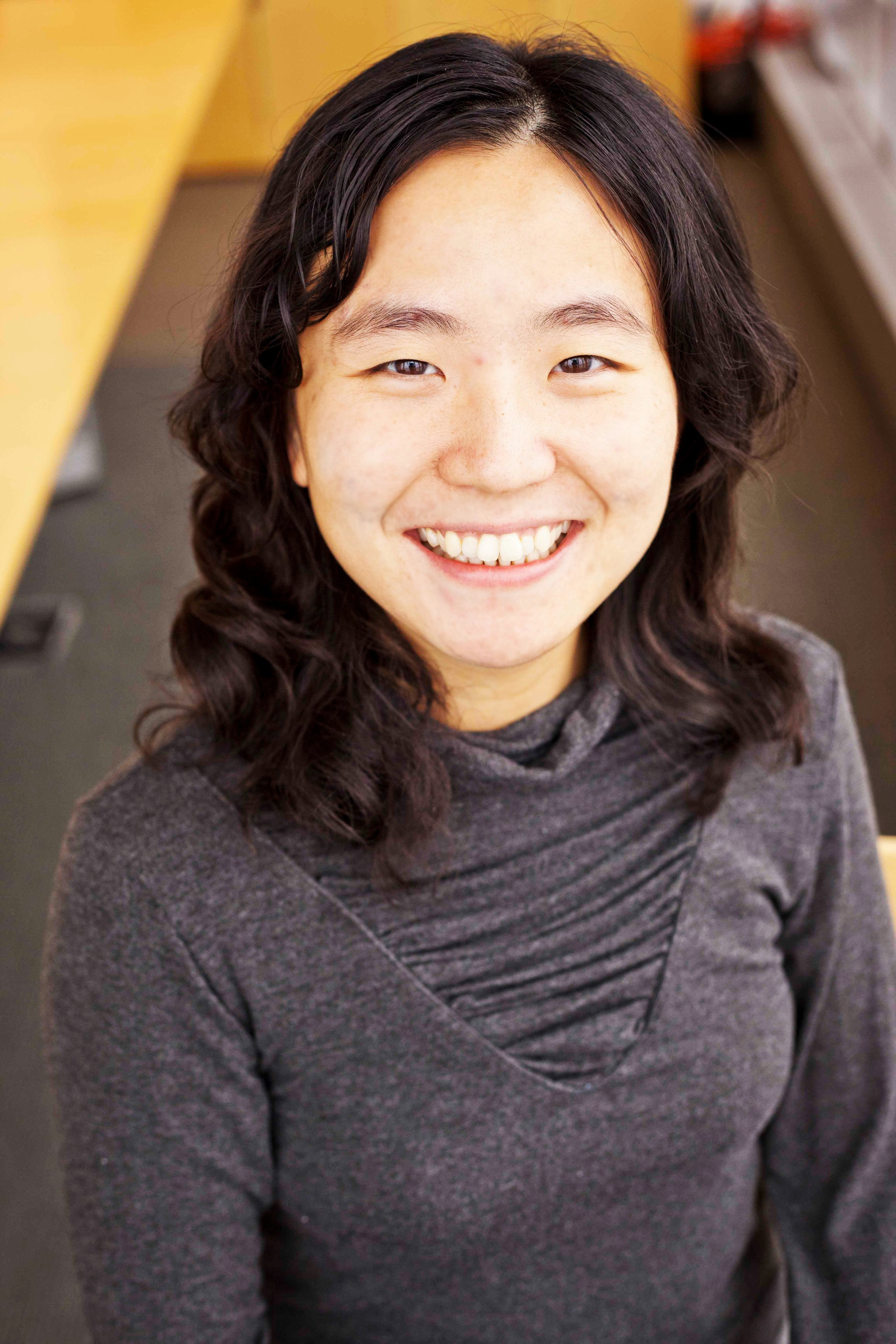
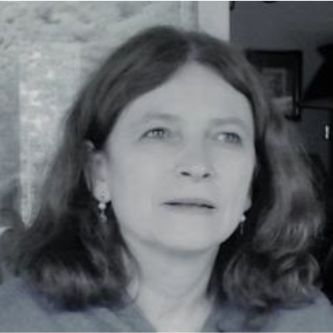
Prof. Karen Parker, PhD

Prof. Karen Parker, PhD

Truong-Tan Broadcom Endowed Professor
Director, Social Neurosciences Research Program
Chair, Major Laboratories Steering Committee
Associate Chair, Research Strategy and Oversight
Department of Psychiatry and Behavioral Sciences
Department of Comparative Medicine (by courtesy)
Stanford University School of Medicine

Keynote lecture

Bridging Models to Medicine: Vasopressin, social behavior, and autism

Dr Karen J. Parker is the inaugural Truong-Tan Broadcom Endowed Professor and Associate Chair for Research Strategy and Oversight in the Department of Psychiatry and Behavioral Sciences at Stanford University.

Bio

Dr Karen J. Parker is the inaugural Truong-Tan Broadcom Endowed Professor and Associate Chair for Research Strategy and Oversight in the Department of Psychiatry and Behavioral Sciences at Stanford University. Dr Parker directs the Social Neurosciences Research Program, which seeks to advance understanding of the biological basis of social functioning across a range of species, and to translate these fundamental insights to drive diagnostic and treatment advances for patients with social functioning difficulties. Dr Parker’s research has been supported by the National Institutes of Health, Simons Foundation, and Department of Defense, published in leading scientific journals (e.g., Science Translational Medicine, Nature Neuroscience, PNAS, Molecular Psychiatry), and featured across diverse media outlets (e.g., NPR, CBS, LA Times, Scientific American, Newsweek, Huberman Lab podcast). Dr Parker received her undergraduate and graduate degrees from the University of Michigan. She completed postdoctoral training at Stanford University and joined the Stanford faculty thereafter. She is an Affiliate Scientist at the California National Primate Research Center, a Fellow of the American College of Neuropsychopharmacology (ACNP), and a Kavli Fellow of the U.S. National Academy of Sciences. She has served as an invited key opinion leader at U.S. National Academy, NIH, and private foundation meetings and has held leadership roles on international research advisory committees for the Society for Neuroscience and ACNP.

Plenary speakers

Prof. Dayu Lin, PhD

Prof. Dayu Lin, PhD

Recanati Family Professor of Science, Department of Neuroscience
Professor, Department of Psychiatry at New York University Grossman School of Medicine

Plenary lecture

Oxytocin and social behaviors

Dayu Lin is the Recanati Family Professor of Science in the Department of Neuroscience and Professor in the Department of Psychiatry at New York University Grossman School of Medicine.

Bio

Dayu Lin is the Recanati Family Professor of Science in the Department of Neuroscience and Professor in the Department of Psychiatry at New York University Grossman School of Medicine. For the past 20 years, she has studied the neural mechanisms underlying social behaviors, particularly aggression and parental behaviors. Her research seeks to understand the neural circuits that generate and regulate these behaviors and how plasticity within these circuits allows social experiences and reproductive states to reshape behavioral responses. Her work has identified more than 10 molecularly defined neural populations that play essential roles in aggression, social avoidance, parental care, infanticide, sexual receptivity, and predator defense.

Dr Lin received her B.S. in Biological Sciences from Fudan University in China. In 2006, she earned her Ph.D. in Neurobiology from Duke University, where she investigated the neural representation of natural olfactory cues in the main olfactory bulb. She then completed her postdoctoral training at the California Institute of Technology, where she investigated the neural circuits underlying aggression.

In 2010, Dr Lin established her laboratory as an Assistant Professor in the Smilow Neuroscience Program at New York University Langone Medical Center, which later became part of the Neuroscience Institute at NYU Langone Health. Her contributions to the field have been recognized with many honors, including the Capranica Award for Outstanding Achievement in the Field of Neuroethology, the Klingenstein Fellowship Award in the Neurosciences, the Janett Rosenberg Trubatch Career Development Award, and the McKnight Scholar Award.

Prof. Javier Eduardo Stern, MD PhD

Prof. Javier Eduardo Stern, MD PhD

Distinguished University Professor, Center for Neuroinflammation and Cardiometabolic Diseases, Director Neuroscience Institute, Georgia State University

Plenary lecture

Beyond Neurosecretion: Linking Hypothalamic Neuropeptides, Brain Perfusion, and Cognition

Javier E. Stern, M.D., Ph.D., is a Regents’ Professor in the Neuroscience Institute and Director of the Center for Neuroinflammation and Cardiometabolic Diseases at Georgia State University, USA.

Bio

Javier E. Stern, M.D., Ph.D., is a Regents’ Professor in the Neuroscience Institute and Director of the Center for Neuroinflammation and Cardiometabolic Diseases at Georgia State University, USA. He is also currently serving as Scientific Director of the Achucarro Basque Center for Neuroscience in Bilbao, Spain. His research career has focused on understanding how hypothalamic circuits integrate information about the body’s internal environment to coordinate neuroendocrine and autonomic responses, with a particular emphasis on vasopressin and oxytocin systems.

His laboratory investigates how the intrinsic properties of neurons, synaptic inputs, and interactions with neighboring neurons, glia, and blood vessels shape hypothalamic function in health and disease. A longstanding interest is how somatodendritic release of neuropeptides regulates neuronal excitability and communication within hypothalamic networks. More recently, his research has explored how vasopressin and oxytocin systems interact with the cerebral microcirculation, linking neuroendocrine signaling to the regulation of local blood flow and tissue oxygenation. These studies combine electrophysiology, advanced imaging, neurochemical and cell-specific manipulations, and physiological measurements in experimental models.

A broader goal of his research is to understand how disturbances in these mechanisms contribute to cardiometabolic disease and affect brain regions involved in cognition, with growing interests in the links among cardiovascular dysfunction, aging, and cognitive decline. Dr Stern is a Fellow of the American Physiological Society and received its Carl Ludwig Distinguished Lectureship Award in 2024. He also served as Chair of the 14th World Congress on Neurohypophysial Hormones in 2024.

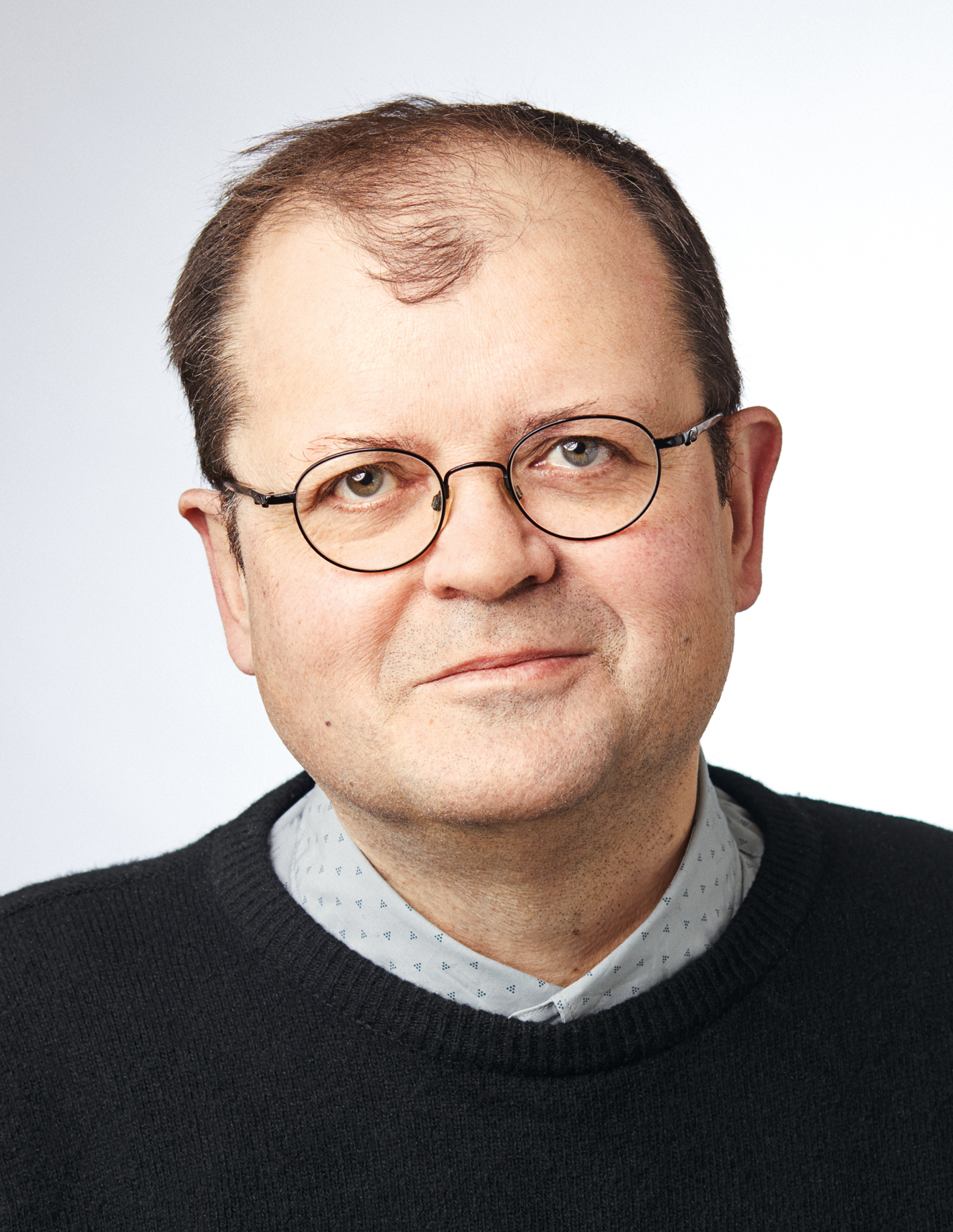
Dr Françoise Muscatelli, PhD

Dr Françoise Muscatelli, PhD

Institut de Neurobiologie de la Méditerranée (INMED)-INSERM UMR1249
Head of the Team: Perinatal Imprintings and Neurodevelopmental Disorders

Plenary lecture

Oxytocin, Hormonal Imprinting and Neurodevelopment

For many years, I have contributed to research on Prader–Willi syndrome (PWS), a genetic neurodevelopmental disorder characterized by hypothalamic dysfunction.

Bio

For many years, I have contributed to research on Prader–Willi syndrome (PWS), a genetic neurodevelopmental disorder characterized by hypothalamic dysfunction. My team identified and characterized two novel genes, NECDIN and MAGEL2, implicated in PWS. Notably, MAGEL2 is now recognized as one of the genes most strongly associated with autism spectrum disorder (ASD) risk.

Building on these discoveries, I developed my research program in neuroscience with the goal of understanding the physiological mechanisms underlying PWS as a consequence of dysfunction of these candidate genes. A major focus of my work has been to identify the clinical phenotypes associated with specific gene dysfunction and to characterize the underlying molecular pathways and physiological functions, with the ultimate aim of identifying targets for therapeutic intervention.

This research led me to investigate the role of oxytocin during early development and its long-lasting influence on brain function. We demonstrated major alterations of the oxytocinergic system in relevant mutant mouse models and developed therapeutic strategies aimed at preventing or alleviating specific symptoms through early postnatal oxytocin treatment. Our preclinical findings provided the rationale for clinical translation, leading first to a Phase II trial and subsequently to an ongoing Phase III clinical trial evaluating oxytocin treatment during infancy in children with PWS. These studies assess oral and social skills as well as neurodevelopmental trajectories, with encouraging effects reported to date.

Overall, our work has highlighted the organizational role of the oxytocin system during early development, demonstrating how early oxytocin signaling contributes to shaping neural circuit development and thereby influences feeding, cognitive, and social behaviors from infancy throughout life.

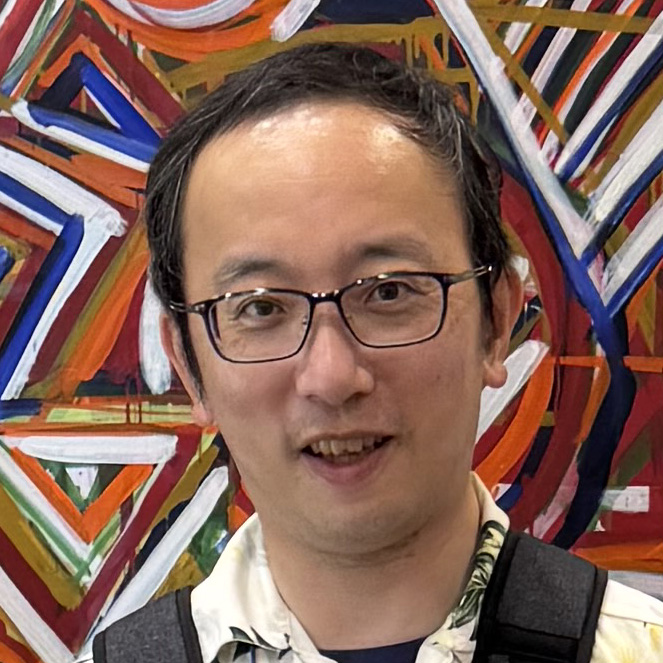
Dr Kazunari Miyamichi, PhD

Dr Kazunari Miyamichi, PhD

Team Director, Laboratory of Comparative Connectomics, RIKEN Centre for Biosystems Dynamics Research (BDR)

Plenary lecture

Oxytocin Circuit Plasticity Across Life Stages: From Parenting to Feeding

Kazunari Miyamichi is Team Director at the RIKEN Center for Biosystems Dynamics Research (BDR) in Kobe, Japan.

Bio

Kazunari Miyamichi is Team Director at the RIKEN Center for Biosystems Dynamics Research (BDR) in Kobe, Japan. His early work focused on the molecular mechanisms of olfactory circuit assembly in mice, and he received his Ph.D. from the University of Tokyo in 2006. He subsequently trained with Liqun Luo at Stanford University, where he developed viral genetic approaches for mapping mammalian neural circuits. At RIKEN, his research has expanded to how hypothalamic and autonomic circuits are organized to control social behavior and body physiology. A major focus is the oxytocin and vasopressin systems, including their roles in parental behavior, social function, and pregnancy-associated adaptations. His group also studies hypothalamic circuits controlling reproductive maturation, as well as the molecular and circuit organization of sympathetic outputs to peripheral organs.